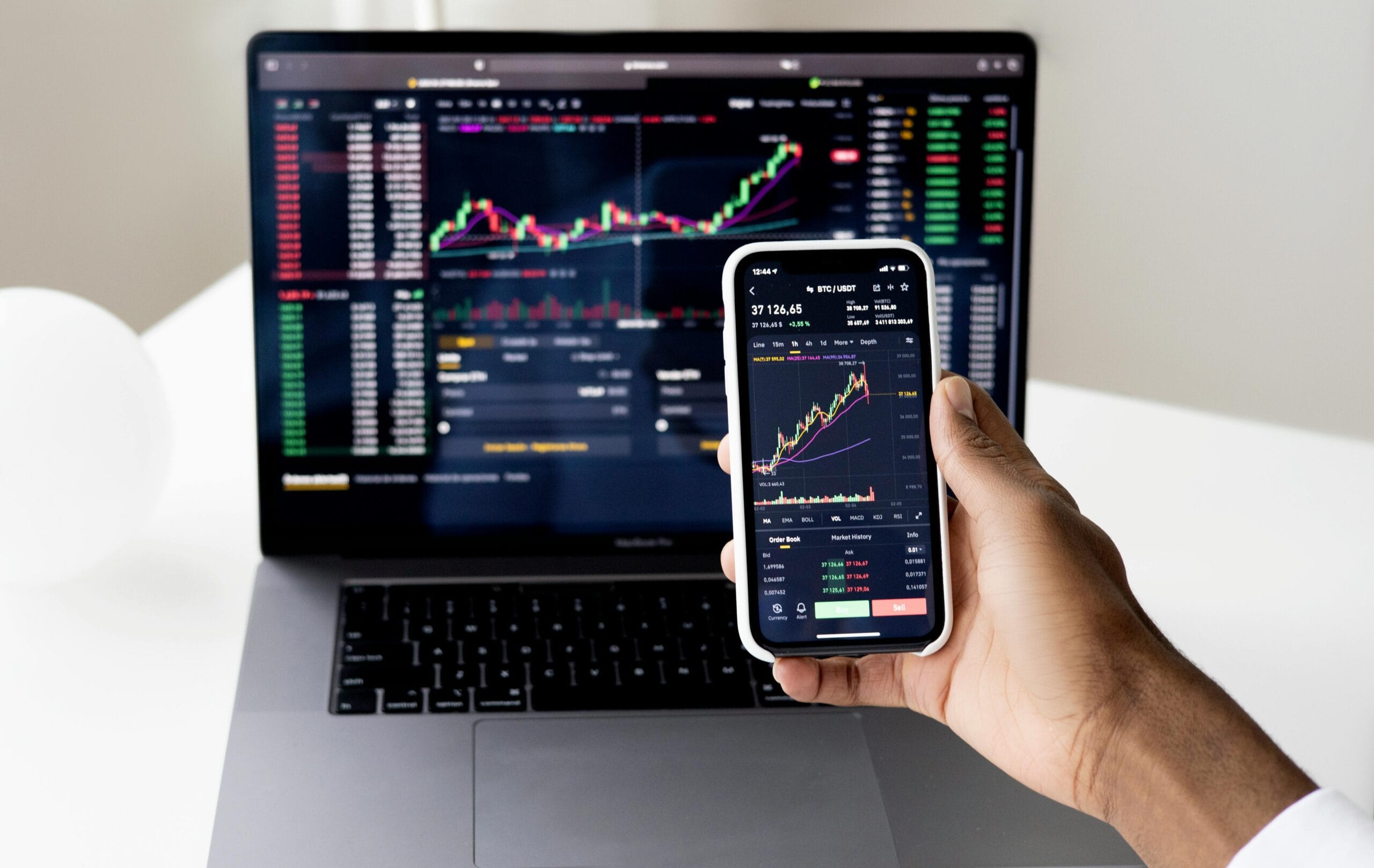
You’ve probably heard that the stock market is rational. Furthermore, people say it reflects real value based on facts and numbers. In other words, stock prices go up when companies do well and down when they struggle. Yet this isn’t really true at all. Rather, the stock market is something much simpler and more human. In fact, it’s just a record of how millions of people are feeling at any given moment. Once you understand this, everything about investing makes sense.
Why The Numbers Lie About The Market
Think about what happens when you hear news about a company. Maybe earnings are bad. Therefore, you’d expect the stock to go down. However, sometimes it goes up instead. Moreover, sometimes great news causes a stock to fall. Thus, the stock market doesn’t always follow the facts. Rather, it follows emotion. In the same way, it follows what people expect and fear and hope for.
Consider a simple example. Imagine a company reports lower profits than expected. Furthermore, the stock price drops thirty percent in one day. However, the business itself didn’t get thirty percent worse overnight. In other words, the company still has the same buildings, the same people, and the same capabilities. Therefore, what changed? The answer is emotion. In the same way, investors went from hopeful to disappointed. Thus, their feelings changed the price, not the facts.
Additionally, this happens constantly in markets. In other words, stocks move based on mood swings more than reality. Because of this, trying to predict the market using only facts doesn’t work. Rather, you need to understand what people are feeling. Furthermore, you need to notice when feelings are shifting. In the same way, you need to spot when fear is taking over or greed is driving prices up. Thus, reading emotions is actually more important than reading balance sheets.

The Psychology of Market Movements
Here’s what actually drives stock prices. When people feel good about the future, they buy. Therefore, prices go up. When people feel scared, they sell. As a result, prices fall. In other words, the market is constantly moving based on hope and fear. Moreover, these emotions spread like wildfire. In the same way, when one person gets scared and sells, others see that and get scared too. Thus, fear creates panic selling.
Think about how this works in real situations. During good times, everyone feels optimistic. Furthermore, people think the good times will last forever. Therefore, they buy everything. In the same way, they don’t worry about safety. Thus, prices rise higher and higher. However, eventually something changes. In other words, maybe a company has bad news. Consequently, people start questioning if good times really will last. Therefore, they get nervous. Moreover, they start selling. As a result, prices start falling. In the same way, falling prices scare more people. Thus, more selling happens. Eventually, panic takes over. In addition, people sell things they shouldn’t sell just because they’re scared.
Furthermore, this cycle repeats over and over. Because of this, the market swings between greed and fear. In the same way, it swings between hope and panic. Thus, understanding psychology is more valuable than understanding accounting. Moreover, knowing how people think and feel tells you more about markets than knowing how to read financial statements.
How To Read The Market’s Emotions
So how do you actually read what the market is feeling? First, pay attention to what people are talking about. In other words, listen to what investors are saying. Therefore, you can sense the mood. Furthermore, if everyone is talking about a specific sector, that tells you where greed is focused. Thus, that’s often where prices are getting too high. In the same way, if everyone is avoiding something, that’s where fear lives. Moreover, that’s often where good values are hiding.
Additionally, notice the speed of price changes. In other words, big fast moves are emotional. Therefore, they’re usually fear or greed, not logic. In the same way, slow steady moves are more based on real value. Thus, if a stock drops fifty percent in a week, that’s emotion, not facts changing that much. Moreover, it’s likely an overreaction. Because of this, big emotional moves create opportunities.
Furthermore, watch news cycles. In other words, notice what’s getting attention. Therefore, you can feel the market’s focus. In the same way, understand that news changes what people feel. Thus, good news makes people feel hopeful. However, the same good news might feel bad if people were already overly optimistic. In other words, context matters. Moreover, the market’s reaction tells you about emotion more than the news itself.
The Diary Metaphor That Changes Everything
Here’s a way to think about the market that actually works. Imagine the stock market is a diary. Furthermore, every price movement is a diary entry. In other words, the entry says: “Today we all felt this way about the future.” Therefore, when you read the market, you’re reading humanity’s emotional diary. In the same way, you’re seeing what we’re collectively hoping for and fearing.
This changes how you think about investing. Because of this, you don’t fight the emotion. Rather, you understand it and work with it. For instance, when everyone is panicking and selling, you know it’s an emotional overreaction. Therefore, you might be brave and buy. In the same way, when everyone is greedy and buying everything, you might be cautious and sell. Thus, understanding emotion makes you smarter than the crowd.
Moreover, this diary metaphor shows that markets aren’t evil or broken. Rather, they’re just expressing human nature. In other words, they’re showing us who we are. Furthermore, they’re showing our hopes, fears, and dreams. Thus, markets are actually a beautiful record of human feeling. In the same way, they’re honest because they can’t lie. Rather, they reveal exactly what people believe and feel.
What This Means For Your Money
So how should you use this understanding? First, accept that markets move on emotion. Therefore, don’t expect perfect logic. In the same way, don’t be shocked when stocks move fast for emotional reasons. Furthermore, this is normal. Moreover, it’s how markets work. Thus, you should expect emotion and use it to your advantage.
Second, develop emotional control yourself. In other words, understand your own feelings about money. Therefore, you won’t panic when the crowd panics. In the same way, you won’t get greedy when the crowd gets greedy. Thus, you’ll make better decisions. Furthermore, you’ll stay calm when others are crazy. In addition, this gives you an advantage.
Third, use the crowd’s emotion to guide your choices. In other words, when everyone is scared, look for good deals. Therefore, fear creates opportunities. In the same way, when everyone is excited about something, be careful. Moreover, excitement creates overpriced stocks. Thus, being opposite the crowd often works because the crowd is often wrong emotionally.
Additionally, understand that markets go in cycles. In other words, boom and bust are normal. Therefore, don’t be shocked when crashes happen. In the same way, don’t think you can escape them. Rather, prepare for them. Moreover, use them as chances to invest when prices are low. Thus, cycles are actually opportunities if you understand them.
Reading The Market’s Current Mood
Right now, the market is expressing certain emotions. Furthermore, understanding those emotions helps you make decisions. In other words, are people optimistic or scared? Therefore, you can feel it in how stocks are moving. In the same way, you can read it in the news. Moreover, you can sense it in what investors are buying and selling. Thus, the market is constantly telling its emotional story.
For a deeper dive into how the stock market expresses collective emotion, explore how the stock market is a diary of our feelings. This article breaks down exactly how human emotion drives prices. Furthermore, if you want to understand the collective psychology at work, read about stock markets as a collective diary of emotions. It shows why understanding feelings matters more than understanding formulas.
For real-time market information and analysis, MarketWatch provides daily market news and emotional context about what’s driving moves. Additionally, Investopedia offers beginner guides to understanding market psychology and how emotions affect prices.
The Real Lesson
Stop thinking the stock market is a machine that calculates perfect value. Instead, think of it as a living, breathing expression of human emotion. Therefore, it’s unpredictable in the short term because emotions are unpredictable. Moreover, it’s predictable in the long term because human nature is predictable. Thus, understanding this makes you a better investor. Furthermore, it makes you calmer because you know panic is temporary. In the same way, you know greed eventually ends. Therefore, the next time the market does something crazy, remember: it’s just the crowd expressing how it feels. And when you understand that, you can make smart decisions while everyone else is reacting emotionally. That’s how you win.