
Credit cards are everywhere. You use them at coffee shops, restaurants, and online stores. But here’s something most people don’t talk about: credit cards aren’t really about money. They’re about something much bigger and more powerful.
Most people think credit cards are just tools to spend money now and pay later. Moreover, we’ve been told they help us build credit and earn rewards. However, there’s a hidden game happening that affects how we see ourselves and how others see us.
The Status Game Nobody Talks About
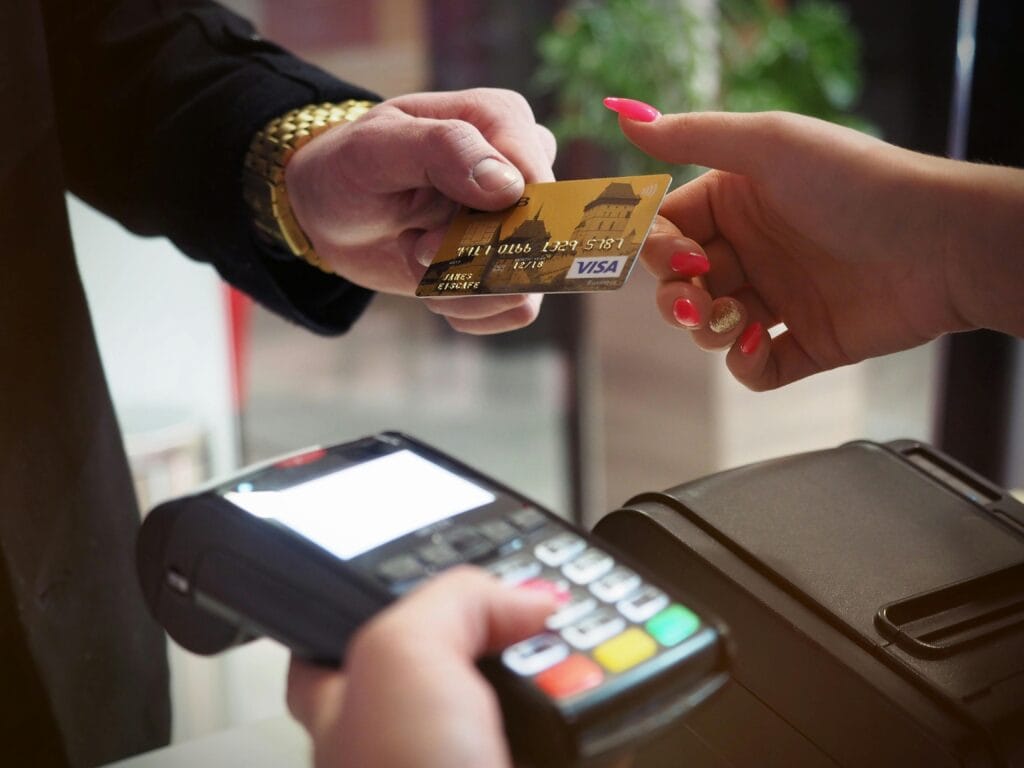
When you pull out a fancy credit card at a restaurant, something happens in your brain. You feel a tiny bit better. You feel successful. You feel important. In addition, the person watching you might think you have money or that you’re doing well. This feeling is what I call “social currency.”
Think about it. For instance, nobody feels excited about paying with cash the same way they feel excited about using a black credit card. Furthermore, the card itself sends a message. The message says something about who you are. Therefore, companies know this. They design cards to look nice, feel good, and make you want to show them off.
But here’s the problem: this feeling doesn’t cost them much. Meanwhile, it costs you a lot.

How Rewards Make You Spend More
Let me explain something that most reward programs don’t want you to know. When you earn points or cashback, you feel like you’re winning. Additionally, you start thinking about all the free stuff you’ll get. As a result, you spend more money to earn more rewards.
Studies show that people with reward cards spend between 23% to 40% more than people without them. Clearly, that extra spending creates problems. For example, if a card gives you 1% cashback but makes you spend an extra $100 a month you wouldn’t normally spend, you’re actually losing money. In fact, according to research on credit card behavior, the $12 you earn in cashback doesn’t come close to covering the lost money.
You can read more about this in our detailed article on why credit card rewards are making you poorer, which explains exactly how this works.
The Price of Belonging
Here’s something interesting: credit cards create a sense of belonging. When you have the right card, you feel like you’re part of a club. The fancy ones come with lounge access, special events, and exclusive benefits. Because of this, many people keep cards they don’t need, paying annual fees just to feel like they belong.
Think about how many cards you have. Moreover, how many of those do you actually use every month? Additionally, are you paying fees for cards that just sit in your drawer? These invisible costs add up. Furthermore, the real cost isn’t just money—it’s the mental energy spent worrying about cards, paying bills, and managing debt.
The Real Conversation We Need to Have
The biggest issue is that nobody talks about what credit cards actually do to your thinking. They change how you see money. Consequently, they make spending feel less real. When you swipe a card, it’s different than handing over cash. As a result, according to studies on spending psychology, your brain doesn’t register the loss in the same way.
Therefore, the credit card industry has won a huge victory. They’ve made us believe that going into debt is normal and even smart. In addition, they’ve convinced us that the right card can change our life or our image. Most importantly, they’ve made us forget that credit cards aren’t sources of money—they’re sources of debt.
What This Means for You
If you use credit cards, you need to understand one thing: they work against your interests, not for them. But this doesn’t mean you should never use them. Rather, it means you should use them differently.
First, stop thinking about rewards. Next, focus on what you actually need to buy. Then, ask yourself if you’d buy it with cash. If the answer is no, don’t buy it with the card either. Above all, remember that the one percent you earn means nothing if you spent an extra hundred dollars.
Additionally, check your annual fees. Are they worth it? In most cases, they aren’t. Therefore, consider switching to no-fee cards or using cash more often.
Most importantly, understand that credit cards are powerful tools for creating feelings and habits. They’re designed to make you feel successful while slowly making your financial life harder. Consequently, you need to be aware of this game to play it safely.
The Bottom Line
Credit cards aren’t evil, but they’re not your friends either. They’re tools that companies use to change your behavior and get more of your money. Furthermore, they work partly through rewards and fees, but mostly through how they make you feel about yourself.
So the next time you see someone using an impressive credit card, remember this: you’re not just seeing a payment tool. You’re seeing someone playing a game that was designed to make them lose. Moreover, the companies running this game are very, very good at their job.
If you want to learn more about the psychology behind credit cards and status, check out our article on credit cards and social currency, which goes deeper into how these cards affect our relationships and self-image.
The choice is yours. You can keep playing the game the way they want you to play it. Or you can understand the game and change how you play. Either way, now you know what’s really happening.