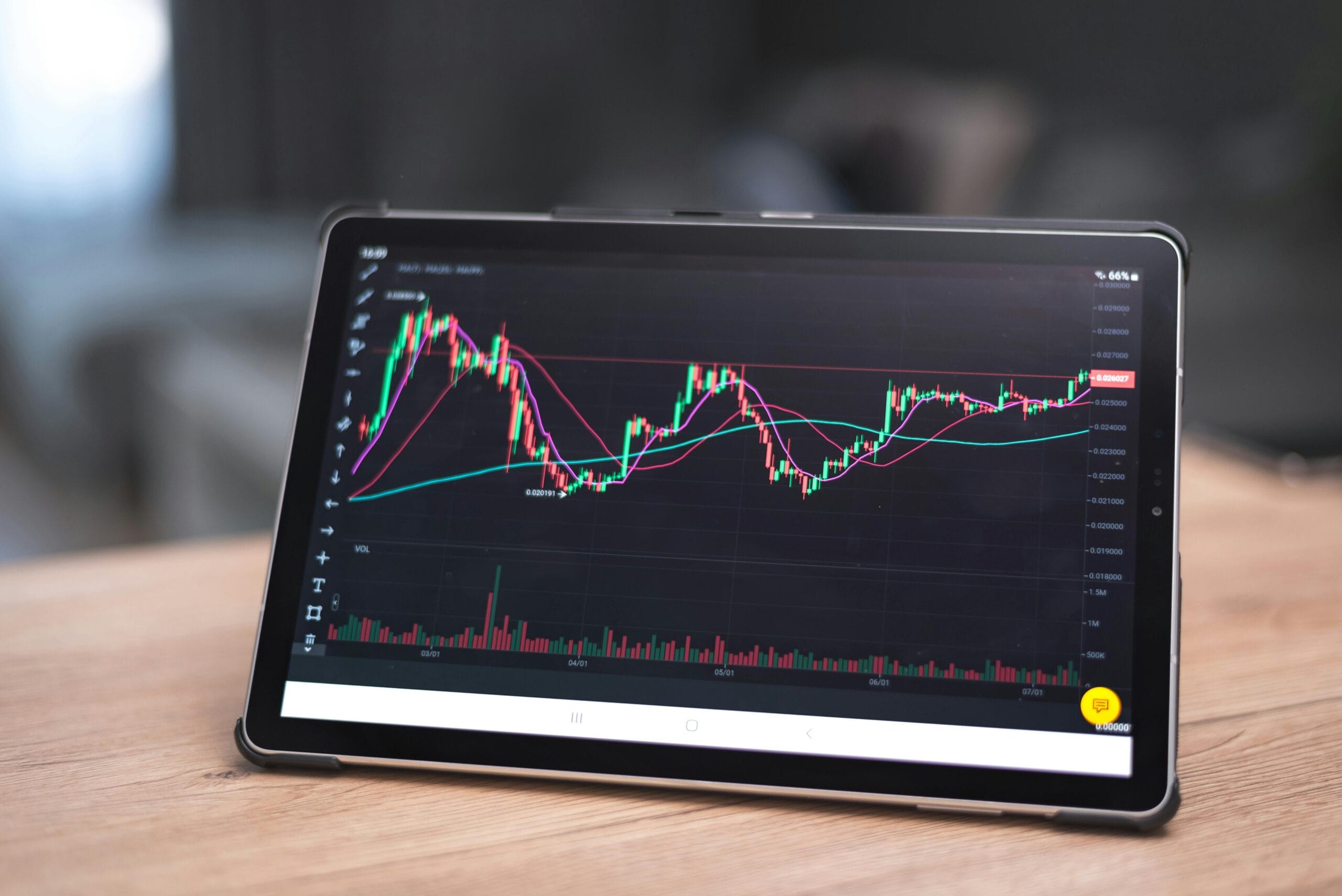
Most people think the stock market is about facts and numbers. They look at earnings reports, analyze charts, and study company performance. Yet here’s what nobody really talks about: the stock market is actually a record of human emotions playing out in real time. Once you understand this, everything makes more sense.
What Most People Get Wrong About Markets
Let me start with something simple. The stock market goes up and down. Moreover, it moves based on what people think will happen in the future, not what’s actually happening right now. In other words, the market is always betting on a story that hasn’t been written yet.
Consider what happens when a company reports good profits. You’d think the stock price would always go up, right? However, sometimes it goes down instead. Why? Because investors expected even better results. Therefore, the market isn’t really about facts. Rather, it’s about expectations and feelings.
Furthermore, this is the big secret nobody teaches in school. The stock market reflects how people feel about the future. When people are hopeful, they buy. As a result, prices go up. When people are scared, they sell. In that case, prices fall. The numbers and facts just follow along behind the emotions.
The Psychology Behind Every Price Movement
Think about the last time you felt excited about something. You probably made quick decisions, right? Similarly, when investors feel excited about a company or industry, they jump in and buy stocks. Because of this, prices spike. But then reality hits. Either things work out or they don’t. Yet by then, the emotion has already moved the market.
This is why the same piece of news can mean different things at different times. For example, imagine a company announces layoffs. During good economic times, investors might see this as smart cost-cutting. In that scenario, the stock might go up. However, during bad times, the same announcement might scare investors into selling. Thus, the facts stayed the same, but the emotional context changed everything.
To clarify, I’m not saying facts don’t matter. They do. But here’s the thing: facts take time to sink in. Meanwhile, emotions move fast. Additionally, emotions spread quickly from one investor to another. Consequently, the market often overreacts to news, bouncing between extremes.
The Collective Diary Theory
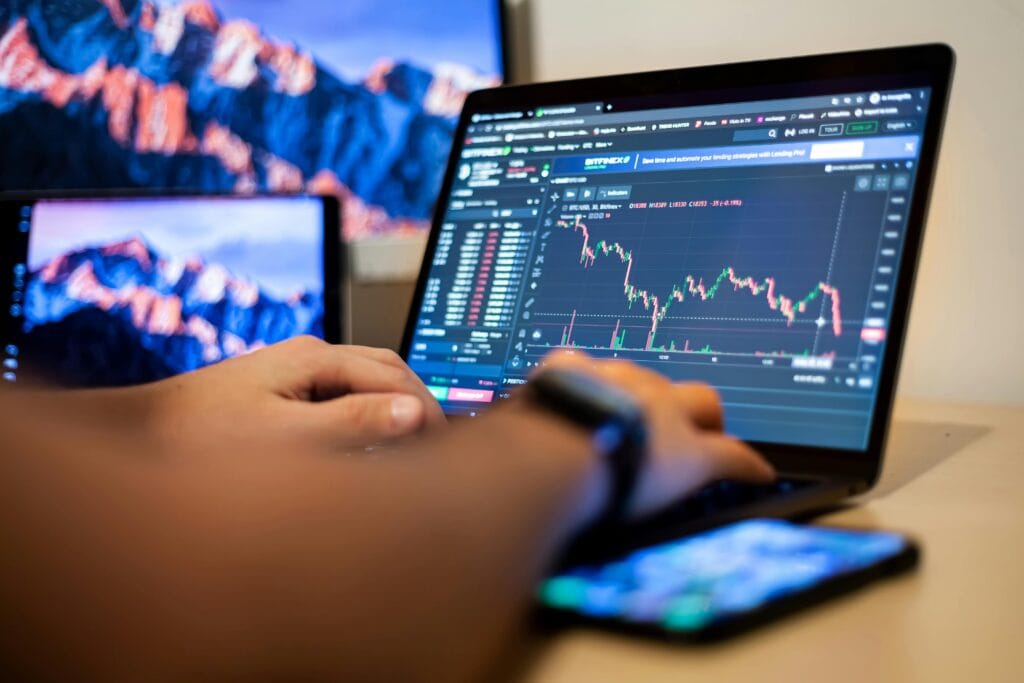
Now here’s my main idea. What if we stopped thinking of the stock market as a machine that calculates value? Instead, what if we saw it as a diary that records how humanity is feeling about the future? In this view, every price movement is like a diary entry about hope, fear, greed, or doubt.
When tech stocks boom, it’s because society is hopeful about technology’s future. By extension, when they crash, it’s because that hope turned to doubt. Similarly, when oil stocks spike during global tensions, it’s because people are worried about energy supplies. As a result, fear drives the price up. In the same way, every sector of the market reflects our collective mood about that part of the world.
This matters because it changes how you should think about investing. Furthermore, if the market is a diary of emotions, then you can’t predict it the way you predict a math problem. Rather, you need to understand what people are feeling and why. For that reason, reading the news isn’t just about facts. It’s about understanding the emotional state of the world.
Why Understanding This Helps You
Here’s the practical part. Once you know that emotions drive markets, you can make smarter choices. For instance, when everyone is panicking and selling, that’s often when good companies get cheap. In other words, fear creates opportunity. Conversely, when everyone is greedy and buying everything, that’s when you should be careful. Thus, understanding emotion helps you act opposite to the crowd, which is where real money is made.
Additionally, this explains why holding stocks long-term works. Over time, emotions balance out. Yes, the market goes up and down. But in the end, good companies tend to go higher. Because of this, if you can stay calm when others panic, you have an advantage. Moreover, patience lets you ride out the emotional swings.
To illustrate, think about the housing crisis of 2008. People panicked and sold everything. However, those who stayed calm and even bought more assets ended up making huge returns a few years later. The difference wasn’t intelligence. Rather, it was understanding that panic was temporary and didn’t reflect true value.
The New Investors Get This Better
Interestingly, younger investors often understand this better than older folks. They grew up with real-time information and social media. Therefore, they see how quickly emotions spread online. In addition, they’re used to volatility. As a result, they expect the market to bounce around based on feelings and news cycles.
Furthermore, this generation is more willing to invest in companies based on future potential rather than past performance. For that reason, they drive bigger swings in newer sectors. By and large, this creates both bigger gains and bigger losses. Yet it also shows that markets are definitely about emotion and hope, not just cold math.

What This Means for Your Money
So here’s what you should do with this knowledge. First, accept that markets will be emotional and unpredictable. Second, don’t fight that nature. Instead, work with it. Therefore, if you believe in a company’s future, hold during panics. In the same way, if you think something is overpriced because of hype, wait for reality to catch up.
Additionally, diversify your investments. This way, when one sector goes down because emotions shift, others might hold steady. Moreover, stay informed about what’s happening in the world. For instance, understanding geopolitics, technology trends, and economic changes helps you sense emotional shifts before they fully hit the market.
Finally, remember that the stock market is ultimately made of real people buying and selling real companies. Consequently, it’s not magic or random. Rather, it follows human nature. And human nature is predictable if you pay attention.
Looking Ahead
The stock market will keep moving based on emotions. Tomorrow, good news might send it soaring. Next week, bad news might cause panic selling. Yet if you understand that this is normal—that the market is simply a diary of how we all feel about the future—you’ll make better choices.
For deeper insight into how emotions shape markets, check out the stock market as a collective diary of human emotions. It explores this idea further. Moreover, if you want to understand current market chaos and what it means, read about market mayhem and what’s happening now. This article connects emotions to real market events.
For learning the basics of stock investing, Investopedia’s stock market guide breaks down key concepts simply. Additionally, Yahoo Finance offers real-time market data and news so you can watch emotions in action as they happen.
The bottom line is this: stop looking at the stock market as a mysterious force. Instead, see it as a mirror of human feeling. Once you do, the market becomes less confusing and more manageable. And that’s when you can actually make smart money decisions.